
Avoid Turmeric: Do you also believe that turmeric only has positive effects on your health? If yes, it’s time to clear up this misconception as soon as possible.
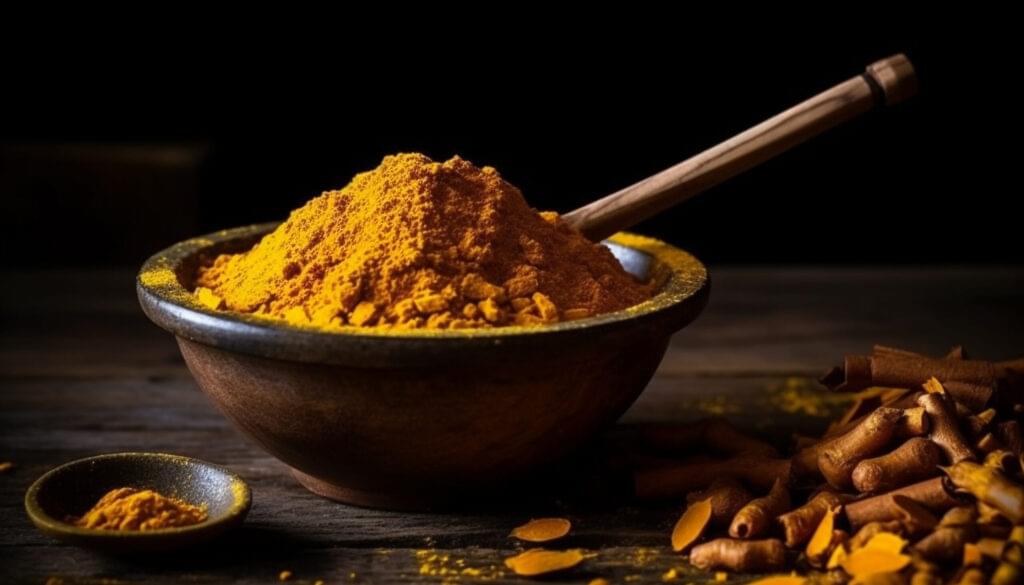
Avoid Turmeric: Benefits Come with Limits – Overuse May Harm Your Health
Turmeric has long been a part of Indian kitchens and Ayurvedic remedies, known for its bright golden color and healing properties. It’s widely used in curries, herbal teas, and home remedies for everything from colds to joint pain. While this spice is indeed rich in antioxidants and anti-inflammatory compounds, health experts caution that it’s not a “more is better” ingredient. Consuming turmeric in the correct quantity can boost immunity and promote overall wellness, but overuse can lead to several health problems. People with certain medical conditions — and those allergic to turmeric — should avoid it entirely. Here’s what you need to know about turmeric’s side effects and the safe way to consume it.
May Affect Gut Health
Turmeric has a naturally warm potency, which makes it beneficial in small amounts for improving digestion and metabolism. However, when consumed in large quantities, it can irritate the stomach lining and trigger gastrointestinal issues. Overuse may result in acidity, bloating, nausea, or even diarrhea in sensitive individuals.
For people with pre-existing stomach conditions, such as acid reflux or ulcers, high doses of turmeric may aggravate symptoms. The warm nature of turmeric can generate excess heat in the body, leading to discomfort in some individuals. Pregnant women, in particular, need to be careful. While small amounts of turmeric used in cooking are generally considered safe during pregnancy, concentrated doses or turmeric supplements can stimulate uterine contractions, which may pose risks. Therefore, it’s strongly recommended that expectant mothers consult a gynecologist before increasing their turmeric intake.
Can Increase Risk of Kidney Stones
One of turmeric’s key compounds, curcumin, is highly valued for its anti-inflammatory properties. However, turmeric also contains significant levels of oxalates. These oxalates can bind with calcium in the body, forming calcium oxalate — the main component of kidney stones. Excessive turmeric consumption over time may, therefore, increase the risk of stone formation, especially in individuals prone to kidney-related issues.
Kidney stones are not just painful; they can lead to serious complications if left untreated. People with a history of kidney stones or chronic kidney disease should be particularly cautious about their turmeric consumption. Experts advise limiting turmeric to small, food-based amounts rather than high-dose supplements, as the concentrated curcumin levels in supplements can quickly raise oxalate content in the body.
Special Precautions for Certain Health Conditions
Turmeric may interact with medications and health conditions in ways that are not always beneficial. For example, in people with diabetes, turmeric can lower blood sugar levels. While this might seem helpful, when combined with diabetes medication, it could cause blood sugar to drop too low — a condition known as hypoglycemia.
Similarly, those with liver disease should exercise caution. While turmeric has been linked to improved liver function in small doses, overuse can overload the liver and worsen pre-existing conditions.
Another lesser-known side effect is restlessness or anxiety-like symptoms when too much turmeric — especially in the form of turmeric milk — is consumed. This is due to its warming nature and potential impact on the nervous system. Ayurveda recommends no more than a pinch or two of turmeric in daily cooking for the average person. Anything beyond that, particularly in supplement form, should only be taken under medical supervision.
How to Consume Turmeric Safely
For most healthy adults, about half to one teaspoon of turmeric powder a day — spread across meals — is considered safe and beneficial. This can be added to curries, soups, or teas. Combining turmeric with black pepper is advised, as piperine in black pepper increases the body’s ability to absorb curcumin.
If you prefer turmeric milk, one pinch in a glass of warm milk is enough. Avoid the temptation to load your drinks with heaping spoonfuls of turmeric, as it won’t necessarily offer more benefits — only potential risks.
Turmeric supplements, which may contain concentrated curcumin extracts, should be taken only if recommended by a healthcare provider. These capsules can deliver far higher doses than natural dietary intake, increasing the risk of side effects.
Bottom Line: Turmeric is a valuable spice that offers many health benefits when used wisely. However, it’s not a cure-all, and taking it in excess can cause more harm than good. From digestive issues to kidney stones, the risks are real. Moderation, medical guidance, and understanding your body’s needs are key to making turmeric a safe part of your diet.
Disclaimer: This article is for general informational purposes only. Always consult your doctor before making changes to your diet, starting any fitness program, or using turmeric for medical purposes.
Also Read:
- Health: Control Anger, Fear & Joy, Beat Amygdala Hijack
- Lemon, Amla, Guava: Which Has Most Vitamin-C?
- Heart Health Tips: 5 Habits That Can Reduce Heart Attack Risk
Author

Anaya M.
Anaya M. is a health and fitness writer at InsightIndia.in, dedicated to making wellness simple and accessible. With a keen interest in healthy living, nutrition, and fitness trends, she crafts practical and informative articles that empower readers to lead healthier lifestyles every day.