
Feeling anxious or uneasy right after waking up is not something to ignore. It could be a sign of morning anxiety, a condition that can impact both your mental and physical health.
Morning Anxiety Could Be a Warning Sign — Don’t Ignore These Symptoms
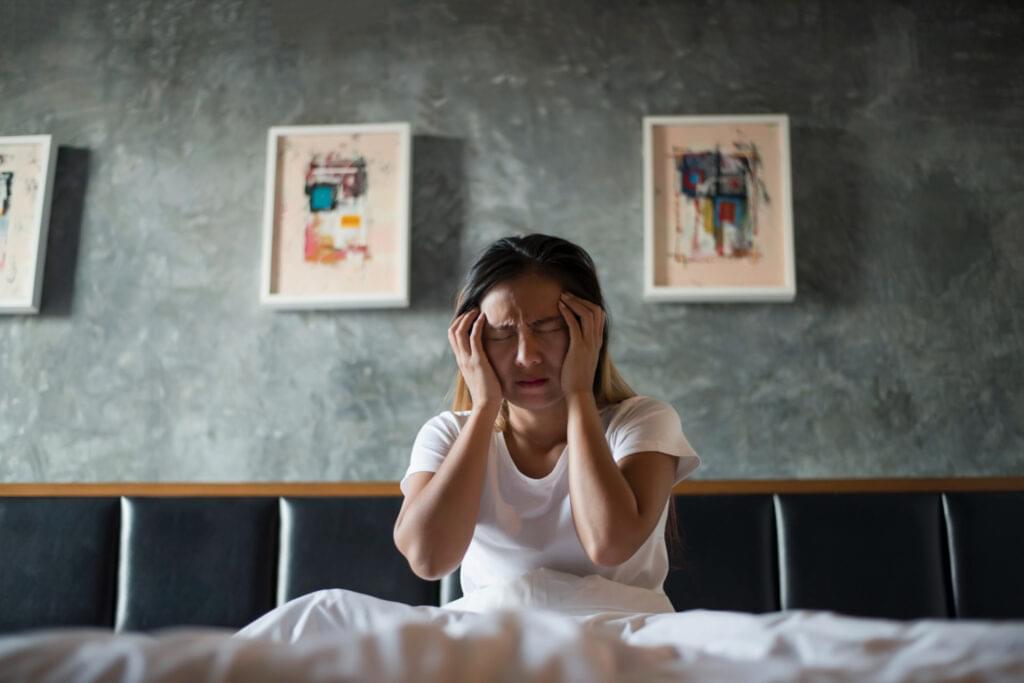
Do you ever wake up with a racing heartbeat, an odd sense of fear, or restlessness that seems to come from nowhere? If yes, this might not just be the result of a bad dream. It could be morning anxiety — a growing mental health concern where your day starts with tension and unease.
According to Dr. Gorav Gupta, CEO and Senior Psychiatrist at Tulasi Healthcare, Gurugram, morning anxiety is becoming increasingly common, especially among people dealing with chronic stress, work pressure, or poor sleep quality. It can lead to symptoms like a racing heart, nervousness, fatigue, and even depression if left unaddressed.
What Is Morning Anxiety and Why Does It Happen?
Morning anxiety is a condition where you feel anxious, fearful, or overwhelmed right after waking up. It’s not just an emotional reaction — it’s linked to hormonal imbalances, stress, and sleep deprivation. During early mornings, the body’s cortisol levels (also known as the stress hormone) are naturally higher. This spike can cause a sense of uneasiness in some individuals. When it becomes a daily pattern, it could signal a deeper mental health imbalance and might even lead to chronic stress, panic attacks, or depression if ignored.
Common Symptoms of Morning Anxiety
Morning anxiety can show up in different ways. Some of the most common signs include:
- Feeling panicked or uneasy immediately after waking
- Racing heartbeat
- Shaky hands or legs
- Nausea or a heavy head
- Shortness of breath
- Intrusive or negative thoughts
These symptoms suggest your mind and body aren’t fully relaxed even after sleep. If these feelings persist, it’s time to pay attention and take proactive steps.
What Causes Morning Anxiety?
There can be multiple triggers behind morning anxiety:
- Poor sleep or sleep deprivation
- Overuse of gadgets late at night
- Excess caffeine or alcohol intake
- Work-related stress or personal issues
- Unfinished tasks or pressure to perform
- Negative thought patterns after waking up
- Checking your phone immediately after waking
All of these factors can elevate your cortisol levels and set off a cycle of anxiety from the moment you open your eyes.
Is Morning Anxiety Treatable?
Absolutely. Morning anxiety is not a life sentence. With the right lifestyle changes, mental wellness techniques, and routine management, it can be controlled effectively.
Here are some simple ways to ease morning anxiety:
- Avoid screens for the first 15–30 minutes after waking
- Practice deep breathing for 5 minutes upon waking
- Start your day with yoga, stretching, or meditation
- Maintain a fixed sleep schedule
- Eat a light, protein-rich breakfast
- Consider CBT (Cognitive Behavioral Therapy) or consult a therapist if needed
Professional counseling, mindfulness, and therapy can play a huge role in long-term recovery.
How to Build a Calmer Morning Routine
Your morning shapes your entire day. To reduce anxiety, dedicate your first waking hour to yourself:
- Open your window and let in fresh air
- Practice gratitude journaling — write 3 things you’re thankful for
- Go for a short walk or listen to calming music
- Plan your day in a peaceful way
- Avoid checking social media or news immediately
This mindful start can improve mental clarity and significantly reduce feelings of stress or fear.
When Should You See a Doctor?
If morning anxiety begins affecting your daily life — like avoiding work, feeling mentally drained, or getting overwhelmed by small issues — it’s time to seek professional help. Symptoms like persistent sadness, sleeplessness, guilt, or suicidal thoughts should never be ignored.
Early diagnosis and timely intervention can help you regain control and live a healthier, more peaceful life. Remember: mental health is just as important as physical health.
Disclaimer: This article is for informational purposes only and not a substitute for professional medical advice. Always consult a healthcare expert for diagnosis or treatment. NBT does not claim responsibility for the accuracy or effectiveness of the information provided.
Also Read:
- Health: Control Anger, Fear & Joy, Beat Amygdala Hijack
- Lemon, Amla, Guava: Which Has Most Vitamin-C?
- Heart Health Tips: 5 Habits That Can Reduce Heart Attack Risk
Author

Anaya M.
Anaya M. is a health and fitness writer at InsightIndia.in, dedicated to making wellness simple and accessible. With a keen interest in healthy living, nutrition, and fitness trends, she crafts practical and informative articles that empower readers to lead healthier lifestyles every day.