
Vitamin-C: We often think of lemon as the best source of Vitamin C, but is that really true? Nutritionists say there are fruits like amla and guava that may contain even more Vitamin C than lemon. Find out which one truly tops the list.
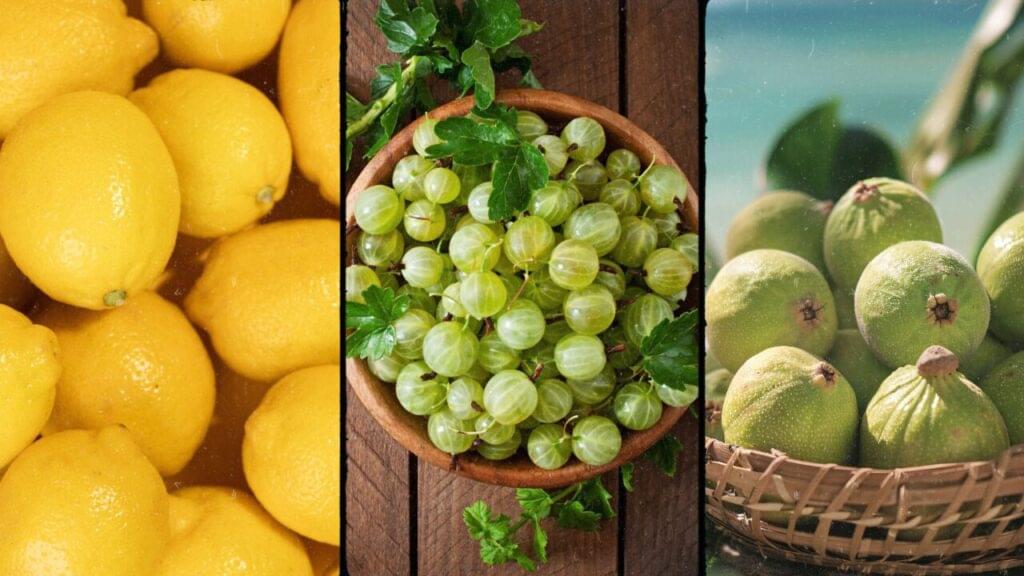
Lemon vs Amla vs Guava: Which Fruit Offers the Most Vitamin-C? Nutritionist Explains the Surprising Truth
Vitamin C is one of the most talked-about nutrients when it comes to maintaining overall health and boosting immunity. While most people assume lemons are the ultimate source of Vitamin C, nutrition experts have a different perspective. So, when choosing between lemon, amla, and guava, which fruit truly stands out as the best source of Vitamin C? Nutritionist Rita Jain shares an eye-opening explanation.
Why Vitamin C Matters
Vitamin C, also known as ascorbic acid, plays a critical role in keeping the body strong and protected from infections. It enhances immune system functioning, helps the body fight off viruses and bacteria, and supports skin health by promoting collagen production. Additionally, it aids in wound healing and acts as a natural antioxidant, protecting the body from harmful free radicals.
People who lack enough Vitamin C in their diet are more prone to fatigue, gum problems, weak immunity, and in extreme cases, conditions like scurvy. That’s why including Vitamin C-rich foods in your daily meals is essential for staying healthy year-round.
What the Numbers Say
According to data shared by nutritionist Rita Jain, here’s how much Vitamin C is found in 100 grams of each fruit:
- Lemon: 53 mg of Vitamin C
- Guava: 228.3 mg of Vitamin C
- Amla (Indian Gooseberry): 300 mg of Vitamin C
These figures reveal that amla clearly leads in Vitamin C content, followed by guava, with lemon coming last. However, the fruit with the highest concentration isn’t always the easiest to consume, which brings us to a more practical consideration.
Is Amla the Clear Winner? Not Exactly
Despite amla having the highest Vitamin C per gram, it isn’t necessarily the best option for everyone. Amla has a strong, tangy, and somewhat bitter taste that makes it difficult for many to eat raw in large quantities. Most people consume it as juice, murabba, or powder, which can slightly reduce its nutrient potency depending on how it’s processed.
Additionally, consuming 100 grams of raw amla is not practical on a daily basis for many, due to its astringent taste and limited availability in some areas.
Why Guava May Be a Better Choice
Guava, on the other hand, is easy to eat, tasty, and widely available throughout the year. Its sweet and mildly tangy flavor appeals to both kids and adults. It can be consumed raw, added to fruit salads, or blended into smoothies.
Most importantly, you can easily eat 100 grams or more of guava without any difficulty, which allows you to absorb a substantial amount of Vitamin C without compromising on taste or convenience. It also contains other essential nutrients like fiber, potassium, and folate that further support overall health.
While amla might technically be the richest in Vitamin C content, guava emerges as a more convenient and enjoyable option for daily consumption. Lemon is still valuable for its detoxifying and hydrating properties, but it ranks third in Vitamin C levels among these three fruits.
So, if you’re looking to boost your immunity naturally and consistently, guava might just be your best bet. It’s not only rich in Vitamin C but also easy to incorporate into your everyday diet. Consider adding this delicious fruit to your meals and enjoy both taste and health benefits in one go.
Also Read:
- Heart Health Tips: 5 Habits That Can Reduce Heart Attack Risk
- Stay Fit Daily with This Full-Body Yoga Exercise
- Health Tips: Simple Ways to Avoid Work Burnout
Author

Anaya M.
Anaya M. is a health and fitness writer at InsightIndia.in, dedicated to making wellness simple and accessible. With a keen interest in healthy living, nutrition, and fitness trends, she crafts practical and informative articles that empower readers to lead healthier lifestyles every day.